


A higher electricity bill does not automatically mean that an electric water heater is faulty. The change may reflect a different billing period, electricity rate, household routine, weather, another electrical appliance, or a change in hot-water use. The useful first step is to compare the bill carefully and identify whether the increase is in electricity use, the rate, or both. If you have a gas-fired water heater, its fuel use will normally appear on the gas bill rather than the electricity bill, so this guide is specifically for electric water-heater questions.
Compare like with like
Start with the same length of billing period from a previous season if possible. Check the number of days in each billing cycle, the total electricity used, any rate changes, and the weather or occupancy during that period. A new household member, more laundry, longer showers, remote work, or frequent use of other electrical appliances can change total usage without indicating a water-heater problem.
Keep a short record of the dates, bills, and any changes in hot-water performance. This helps you describe the issue clearly if a technician needs to inspect the equipment.
Look for changes in hot-water behaviour
An electric water heater may need attention when a bill increase appears alongside a noticeable change in hot water. Examples include water that runs out sooner than usual, inconsistent temperature, unusual noises, visible moisture around the unit, a breaker that trips repeatedly, or an error indication on compatible equipment. These observations do not confirm the cause, but they are useful information for a professional diagnosis.
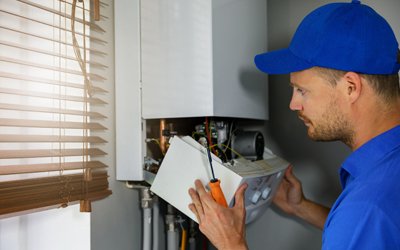
Do not remove electrical covers, alter wiring, bypass a breaker, or adjust internal components yourself. Water heaters combine electricity, water, pressure, and hot surfaces. If you see a significant leak, smell burning, observe smoke, receive an electrical shock, or believe the system is unsafe, stop using the equipment when it is safe to do so and seek qualified help promptly.
Check simple household factors safely
- Review whether the billing period is longer than usual or includes a rate change.
- Consider whether hot-water use has increased because of guests, laundry, bathing, or appliance use.
- Look around the unit for obvious exterior water, without touching electrical connections or hot surfaces.
- Note any change in water temperature, recovery time, or unusual sounds.
- Keep the area around the water heater clear so it can be inspected safely.
When to arrange an inspection
Arrange a professional assessment if the electricity increase continues across comparable billing periods, if the water heater no longer provides expected hot water, or if you notice recurring electrical, leak, or temperature concerns. A technician can assess the equipment and installation condition, explain what has been found, and discuss the appropriate next step. An inspection is more reliable than assuming that a bill increase is caused by one specific part.
Keep this topic separate from replacement planning
This article focuses on understanding a potential electricity-use concern. If the equipment has already been assessed and you are deciding whether to repair or replace it, use our water heater repair-or-replacement guide. If you are considering a new system after a diagnosis, our water heater selection checklist covers capacity, fuel, and installation questions.
Use evidence, not guesswork
An electricity bill is a useful starting signal, but it cannot diagnose the water heater by itself. Compare the billing information, record any changes in performance, and have qualified help inspect the equipment when the concern persists or safety is involved. For assistance with a water-heater concern in Peel Region, contact Aire One Peel to arrange service guidance.