


Choosing whether to rent or buy a water heater is not a one-size-fits-all decision. The better option depends on your budget, how long you expect to stay in the home, the equipment you need, and the exact terms available to you. Instead of comparing only a monthly payment with an upfront price, compare the full written offer and make sure you understand who owns the equipment, who is responsible for service, and what happens if you move or end the agreement.
Begin with the equipment your home actually needs
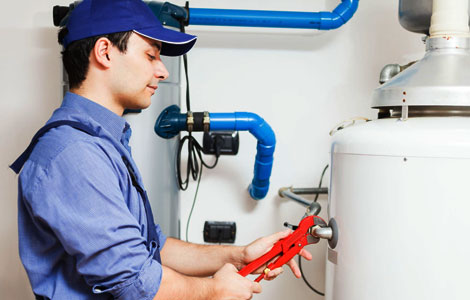
Before comparing payment options, confirm the water-heating type and installation requirements for your home. A technician can help assess the available space, fuel or electrical setup, venting, hot-water demand, and condition of any existing system. A rental or purchase decision is much easier when you are comparing suitable equipment rather than choosing a plan first and discovering later that it does not meet the home’s requirements.
What renting can offer
A rental arrangement may appeal to homeowners who prefer a predictable recurring payment instead of paying the full equipment and installation cost at once. Depending on the written agreement, the provider may retain ownership of the equipment and may define service or replacement responsibilities. The actual terms vary by provider and product, so read the agreement rather than relying on a general assumption.
Before signing a rental agreement, ask for the complete contract and look for the monthly payment, minimum term, renewal conditions, cancellation or buyout provisions, service coverage, exclusions, charges that may apply at the end of the agreement, and responsibilities if the home is sold. Keep a copy of every document with your home records.
What buying can offer
Buying normally means that you own the equipment once it has been paid for, subject to the purchase terms. This can give you more control over future service and replacement choices. It may also require an upfront payment or approved financing, along with a separate plan for maintenance and unexpected repairs. Compare the total purchase and installation cost, any financing terms, warranty information, and the expected responsibilities of ownership.
Do not compare a purchase price only with one month of rent. Compare the total costs and obligations over a time period that makes sense for your household, using the actual written numbers provided to you. If financing is available, make sure you understand the interest, payment schedule, fees, and total amount payable before agreeing.
Questions to put side by side
- Who owns the water heater during and after the agreement?
- What equipment, installation work, and permits are included?
- Which maintenance, repair, and replacement situations are covered, and which are excluded?
- What is the full payment schedule and total amount payable under each option?
- What happens if you sell the home, move, cancel early, or want to buy out a rental?
- What warranty documents apply to the equipment and installation?
Keep the decision separate from an urgent repair
If your current water heater has stopped working or may be unsafe, the immediate priority is a professional assessment. A repair-versus-replacement decision is covered in our water heater repair or replacement guide. Once the required equipment and installation work are clear, you can then compare rental, purchase, and financing arrangements without rushing through contract terms.
Use the right page for the next step
This article is an informational checklist, not a price quote or a contract offer. Homeowners who are ready to discuss available equipment and payment arrangements can visit Aire One Peel’s water-heater purchase and financing page. If you are deciding between conventional and tankless equipment, review tankless water heater options as part of the equipment comparison.
Make the choice with complete information
There is no universal answer to whether renting or buying is better. The practical choice is the option whose equipment, total cost, service responsibilities, and contract terms fit your home and your plans. Ask for the details in writing, take time to review them, and seek clarification on any term you do not understand before you sign.